How AI, Automation, Data, and Consumer Behavior Are Redefining Patient Acquisition
Medspa marketing is undergoing one of the most significant transformations in its history. The traditional approach of relying on a handful of acquisition channels, static messaging, and fragmented measurement is rapidly becoming obsolete. In 2026, successful medical aesthetic organizations are no longer simply running campaigns. They are building integrated growth systems that combine artificial intelligence, automation, creative experimentation, and operational alignment.
Patients today expect aesthetic experiences that mirror consumer industries. They research providers across multiple platforms, compare options, evaluate reputation signals, and prioritize convenience alongside clinical expertise. At the same time, digital platforms are shifting toward automation and machine learning optimization, making data quality and creative inputs more influential than manual campaign configuration.
This guide explores the most important medspa marketing trends shaping 2026 and outlines how organizations can adapt their strategies to remain competitive, visible, and growth-focused.
The Shift From Channel Strategy to Growth Systems
Historically, medspa marketing strategies were often structured around individual channels. Organizations would allocate budgets across search, social, display, or traditional media and measure performance within those silos. While this approach once delivered results, it no longer reflects the reality of modern patient behavior.
Today’s patient journey is nonlinear. A prospective patient may discover a provider through social media, validate credibility through reviews, research services via search, and ultimately convert after a retargeting touchpoint or referral. This multi-touch journey requires integrated measurement, coordinated messaging, and consistent brand experiences across platforms.
As a result, medspa marketing is evolving from channel management to system design. High-performing organizations are building frameworks that connect creative production, campaign execution, measurement infrastructure, and operational readiness into a unified growth engine.
Artificial Intelligence as Marketing Infrastructure
Artificial intelligence is no longer a supplemental tool used for occasional optimization or content assistance. In 2026, AI functions as the underlying infrastructure powering medspa marketing performance.
AI’s expanding role
AI influences nearly every stage of the marketing lifecycle:
- Audience targeting and segmentation
- Bid optimization and budget allocation
- Predictive performance modeling
- Content and creative ideation
- Chat-based patient engagement
- Workflow automation and reporting
Rather than replacing human strategy, AI enhances speed, scale, and decision quality. Marketers can test more creative variations, analyze performance patterns faster, and allocate resources with greater precision.
The strategic implication
Organizations that treat AI as an optional experiment risk falling behind. The competitive advantage lies in integrating AI across workflows, allowing teams to focus on strategic thinking, creative storytelling, and patient experience design while automation handles execution complexity.
Automation Is Reshaping Paid Media Strategy
Paid media platforms continue to evolve toward automated campaign structures. Machine learning increasingly controls targeting expansion, placement selection, and budget distribution. This shift reduces the impact of manual optimization tactics and elevates the importance of inputs such as creative quality and conversion data signals.
What automation changes
- Campaign structure becomes less important than data signals
- Creative assets act as primary performance drivers
- Conversion tracking accuracy directly impacts algorithm learning
- Testing velocity becomes more valuable than static optimization
For medspa marketers, this means performance improvements are less likely to come from platform manipulation and more likely to result from stronger messaging, improved landing experiences, and cleaner measurement infrastructure.
Creative Strategy Becomes a Performance Lever
In previous years, creative development was often treated as a brand initiative separate from performance marketing. That separation is dissolving. Creative is now one of the most influential drivers of campaign outcomes.
The rise of data-driven creative
Aesthetics organizations are adopting creative testing frameworks that allow them to evaluate variations in:
- Messaging themes
- Visual styles
- Offer positioning
- Emotional versus educational storytelling
- Provider-centric versus patient-centric narratives
Performance data from these tests informs future creative direction, allowing organizations to continuously refine messaging based on measurable patient response.
Why this matters
Medspa decisions are emotional and trust-based. Patients evaluate not only clinical qualifications but also relatability, empathy, outcomes, and perceived safety. Creative assets that communicate these dimensions effectively can significantly influence conversion rates.
In 2026, creativity is no longer static. It is iterative, performance-driven, and central to growth strategy.
Systematic Experimentation Replaces Guesswork
As competition intensifies, intuition alone is insufficient for decision-making. Leading medspa marketers are implementing structured experimentation models to identify performance drivers and allocate resources effectively.
Characteristics of modern testing frameworks
- Clear hypothesis development
- Controlled experiment design
- Incrementality analysis
- Cross-channel comparisons
- Rapid iteration cycles
This approach transforms marketing from opinion-based execution into evidence-based optimization. Teams gain clarity on which messages resonate, which channels contribute incremental value, and which tactics generate sustainable growth.
Measurement Beyond Last-Click Attribution
One of the greatest challenges in medspa marketing is accurately measuring performance across complex patient journeys. Traditional last-click attribution models often undervalue upper-funnel interactions such as video, social engagement, and educational content.
Measurement complexity factors
- Multi-platform discovery pathways
- Long consideration timelines
- Offline conversions via phone calls
- Referral influence
- Insurance and scheduling barriers
To address these challenges, organizations are investing in advanced measurement approaches that combine multi-touch attribution, call tracking, CRM integration, and modeled performance insights.
The strategic outcome
Improved measurement enables more confident budget allocation, clearer understanding of channel contributions, and stronger alignment between marketing investment and patient acquisition outcomes.
Consumer-Grade Patient Expectations
Aesthetic consumers increasingly expect digital experiences that mirror those found in retail, hospitality, and ecommerce. Convenience, transparency, and responsiveness play a significant role in provider selection.
Modern patient expectations include
- Mobile-friendly research experiences
- Transparent pricing and procedure information
- Immediate scheduling options
- Clear provider credentials and outcomes
- Responsive communication channels
Organizations that deliver frictionless digital experiences not only improve conversion rates but also strengthen patient satisfaction and retention.
The Critical Link Between Marketing and Operations
Generating patient demand without operational readiness can create bottlenecks, negative experiences, and wasted marketing investment. In 2026, marketing success is inseparable from operational alignment.
Key alignment areas
- Appointment availability and capacity planning
- Call center responsiveness and training
- Online scheduling functionality
- Intake process efficiency
- Follow-up communication workflows
Medical spa organizations increasingly recognize that growth requires coordination between marketing, clinical teams, and administrative operations. Marketing can create opportunity, but operations must convert it.
Trust, Authority, and Reputation as Growth Drivers
Medspas remain a trust-dependent industry. Patients must feel confident not only in clinical competence but also in safety, authenticity, and provider credibility.
Trust-building mechanisms
- Patient testimonials and outcomes
- Educational content demonstrating expertise
- Transparent provider profiles
- Consistent online review management
- Community engagement and visibility
Authority signals influence both discovery and conversion. Search visibility, social engagement, and referral activity often correlate with perceived expertise and credibility.
In an era of abundant information, trust differentiation becomes a powerful competitive advantage.
Differentiation in an Increasingly Competitive Landscape
Medical aesthetic markets continue to experience consolidation, the expansion of service offerings, and the growth of new entrants. This environment makes differentiation essential.
Differentiation strategies
- Specialty expertise positioning
- Unique patient experience narratives
- Advanced technology adoption
- Convenience-focused care models
- Outcome-focused storytelling
Organizations that clearly communicate their unique value proposition help patients make decisions faster and reduce price-driven competition.
The Expanding Role of Medspa Marketing Leaders
The responsibilities of medspa marketing leaders are evolving beyond campaign management toward comprehensive growth leadership.
Modern marketing leadership responsibilities
- Revenue and growth accountability
- Technology ecosystem oversight
- Cross-functional collaboration
- Data interpretation and strategic decision-making
- Experimentation culture development
Marketing leaders increasingly function as growth operators who coordinate strategy across marketing, operations, analytics, and patient experience functions.
Preparing for the Future: Strategic Priorities for 2026
Medspa organizations seeking sustained growth must proactively adapt to these shifts.
Build AI-enabled workflows
Integrate automation and predictive analytics into daily operations to improve efficiency and scalability.
Establish experimentation frameworks
Adopt structured testing processes that support continuous learning and optimization.
Invest in measurement infrastructure
Implement tools and processes that capture multi-touch patient journeys and conversion pathways.
Accelerate creative production
Develop internal or partner capabilities that enable rapid creative iteration and testing.
Align growth and capacity
Ensure operational systems can support demand generated by marketing initiatives.
Prioritize patient experience design
View digital experiences as extensions of clinical care quality and patient satisfaction.
The Shift From Marketing Tactics to Marketing Systems
The biggest change in medspa marketing heading into 2026 is the integration of technologies. Growth is no longer driven by a single channel, one successful campaign, or a handful of ads. Instead, the most successful aesthetic practices are those that build connected marketing systems in which technology, creative strategy, data, and operations work together.
Patients are researching providers across multiple platforms, comparing reviews, evaluating expertise, and expecting seamless experiences from the first search to the first appointment. Practices that align their marketing, technology, and patient experience are better positioned to attract qualified patients and convert interest into real growth.
Medspa marketing today is not simply about promotion. It is about creating the infrastructure that consistently brings in new patients, strengthens brand authority, and supports long-term business growth in an increasingly competitive digital landscape.

About the Author
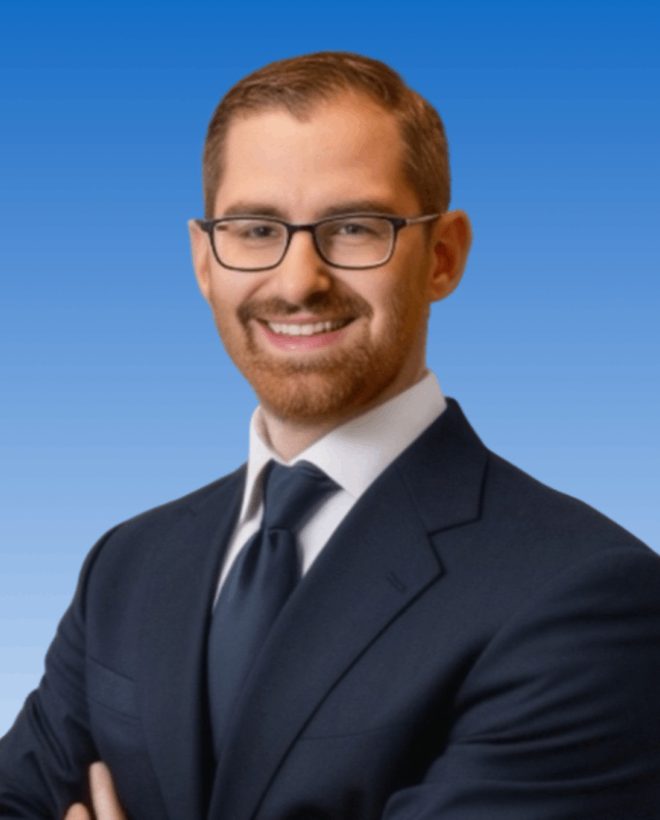
I’m Chris Zelig, Founder & CEO of Medstar Media. I’ve spent over 15 years in the aesthetics and cash-pay medical space, building my career on a lesson my dad taught me early on—keep things simple, fast, and easy. That mindset has become the cornerstone of my marketing approach. I focus on helping small, privately owned providers outperform larger competitors. My first aesthetics client, SKINNEY Medspa, grew from a family-run business into New York City’s #1 medical spa and the world’s leading provider of CoolSculpting and Emsculpt. Since then, I’ve gone on to represent top cosmetic accounts nationwide and create viral campaigns for causes such as early cancer detection.
Schedule a Marketing Strategy Session
Fill out the form or call (801) 890-3847
*By submitting this form, you consent to receive automated marketing calls, texts, and emails from Medstar Media. Consent is not a condition of purchase. Reply ‘STOP’ to opt out.
Share:
Facebook
Twitter
LinkedIn