A med spa can have a beautiful website, dozens of blog posts, and months of SEO work behind it and still struggle to show up when potential patients search for the treatments it offers.
Continue reading
A med spa can have a beautiful website, dozens of blog posts, and months of SEO work behind it and still struggle to show up when potential patients search for the treatments it offers.
Continue reading
Running a successful medical practice has never been more competitive.Whether you own a med spa, plastic surgery practice, wellness clinic, dental office, or specialty practice, there are more providers competing for the same patients than ever before
Continue reading
Running a successful medical practice has never been more competitive.Whether you own a med spa, plastic surgery practice, wellness clinic, dental office, or specialty practice, there are more providers competing for the same patients than ever before
Continue reading
Small issues on your medical practice website can quietly sabotage your ability to turn visitors into patient inquiries. Many clinics attract traffic but see few consultation requests, leaving teams frustrated and unsure where the disconnect is happening.
Continue reading


Your website serves as your ultimate marketing tool. It’s the first point of contact for potential patients, offering them the information they need to feel confident about choosing your practice.
A well-designed website allows you to showcase a variety of media—videos, images, and written content—that help educate and inform visitors. Focusing on clear, easy-to-understand content makes the plastic surgery process less intimidating and more approachable. This builds trust and encourages prospects to take the next step: contacting you for a consultation.
Your website isn’t just a digital presence—it’s the foundation of your marketing strategy and a key driver for connecting with your audience.
When designing your plastic surgery website, it’s important to consider the role of SEO (Search Engine Optimization) and how SEO content integrates into its structure. A sleek and professional website won’t do much for your practice if potential clients can’t find it. Most prospects searching for a plastic surgeon in your area won’t know you by name, so your website needs to be optimized with strategic keywords and high-quality content to rank well on search engines.
Your website should be more than just a digital business card—it’s a powerful tool for connecting with potential patients and supporting your plastic surgery marketing efforts. Ask yourself: How can my website serve my audience and showcase my practice?
Start by focusing on what matters most to your visitors. Provide clear, relevant content that answers their questions and piques their interest. Be upfront about the procedures you offer and your clinic’s location—this is critical because most prospects are looking for local providers. Highlighting this information informs and builds curiosity about your services, planting the seeds for future consultations.
Showcasing your specialties on your website will ensure that it reflects your expertise. Share your training, certifications, and experience to establish trust and credibility. Use separate pages to organize information about each procedure you offer. This will make your site easy to navigate and allow visitors to find what they need quickly.

Consider your visitors ‘ time and attention when crafting content for your landing pages. Asking for too much information upfront can turn them away. Instead, keep it simple—request only the essentials, like their name and email address, so you can follow up later. The less effort required, the more likely visitors are to respond.
To encourage action, make your landing page appealing and valuable. Share compelling content like:
You can also use special offers to draw people in. For example, a Facebook ad promoting a free underarm hair removal session could bring them through your doors. Once they’re in, you can introduce other services like injectables or elective procedures they might already consider. These promotions are a great way to engage new clients and build long-term relationships.
The key is to create landing pages that are inviting, focused, and valuable to your audience. This will make it easy for them to take the next step with your practice.
A blog can be one of the most effective tools for marketing your plastic surgery practice. Many potential patients start their journey by researching procedures online, and blogs are often their go-to resource for reliable information. Creating a blog with relevant, engaging content educates your audience, draws attention to your clinic, and builds trust with prospective clients.
Use your blog to share insights about your procedures, address common questions, and highlight your expertise. The more valuable and relatable your content, the more likely readers will connect with your practice and take the next step.
Your blog should be considered one of the most valuable assets in your inbound marketing strategy. It’s a platform where you can position yourself as an expert, connect with potential patients, and educate them about the wide range of procedures you offer.
Beyond building trust and authority, a well-maintained blog boosts your search engine rankings by consistently producing indexable content. This increases your visibility online, making it easier for prospects to find you.
Additionally, an informative blog benefits your visitors by improving their understanding of various procedures. This often leads to more productive consultations, as patients come in with a clearer idea of what they want and what to expect. Your blog isn’t just content—it’s a bridge that connects your expertise with the needs of your audience.


A great blog doesn’t just share information—it connects with readers meaningfully. To achieve this, approach your blog content with purpose and focus on topics that genuinely matter to your patients. Start by educating your audience about popular surgical and nonsurgical procedures, as they’re often curious about.
Don’t stop there! Consider writing about the latest advancements in plastic surgery. This highlights your expertise and makes your blog a trusted and up-to-date resource. The best blogs are so valuable that readers are eager to share them with others.
Here are a few ways to make your blog more engaging and personal:
The goal is to provide consistent, high-quality content that keeps your readers returning for more. Over time, this will help grow your audience, strengthen your reputation, and foster excitement about your practice.
If you already have a blog that is not performing as well as you’d like, consider taking advantage of Medstar Media’s free SEO audit services. Optimizing your site can help it rank higher and increase traffic, giving you an edge in a competitive market.
When you are ready to expand your plastic surgery clinic’s marketing beyond free online strategies, paid media can be a powerful tool. Investing in paid advertising is a cost-effective way to reach a wider audience and showcase your practice's services.
Here are some of the most effective options for paid online advertising tailored to plastic surgery practices. These options can help you connect with potential patients and grow your business.
Traditional marketing often involved printing and distributing brochures to a broad audience, most of whom had no interest in plastic surgery. This approach could have been more efficient, wasting time and resources to reach a few potential prospects.
Pay-per-click (PPC) advertising offers a smarter, more targeted solution. Using platforms like Google Ads or Meta (Facebook and Instagram), PPC ensures your advertisements reach people actively searching for services like yours. By targeting specific keywords and locations, your marketing message appears directly to individuals in your area who are most likely to be interested in your practice.
When someone clicks on your ad, they’re taken straight to your website or a landing page you’ve chosen—bringing them one step closer to becoming a patient. Whether you operate a private practice or are part of a larger organization, PPC is a cost-effective way to attract potential clients. You only pay a small fee when someone clicks on your ad, making it an efficient and measurable marketing strategy.
Today, nearly everyone is on social media, making it a vital part of your plastic surgery marketing plan. By leveraging social platforms, you can build a strong local fan base and connect with the specific demographic groups you want to reach.
Social media allows you to engage with both current clients and potential patients, creating meaningful connections and building trust. It’s also a great way for colleagues and satisfied clients to refer others to your practice, amplifying your reach and reputation.
However, simply having a social media profile isn’t enough to see results. Success requires an intentional strategy and active participation. With a well-thought-out social media campaign, you can position your practice as approachable, professional, and relatable—helping you stand out in a competitive market.
If used strategically, social media can be an incredibly effective tool for reaching and engaging with your audience. Here are some ideas to help you incorporate social media into your plastic surgery marketing efforts in a way that fits your clinic’s style and goals:
Promote Special Offers: Share discounts or package deals to entice new and returning patients.
The key to success is staying active and consistent. Don’t just post once and forget about it—keep the conversation going! Maintaining a visible, engaging presence will build a loyal following and turn followers into future patients.
Effective marketing is essential for any plastic surgery practice looking to grow and thrive. By leveraging the right strategies and tools, you can attract your ideal patients, stand out in a competitive market, and achieve your business goals.
There are many cost-effective ways to promote your practice. A few examples are building and maintaining a strong online presence, hosting engaging events, and encouraging word-of-mouth referrals. However, finding the perfect mix of strategies tailored to your practice is the key to driving growth and increasing revenue.
If you’re ready to elevate your practice, Medstar Media is here to help. As a leading digital marketing agency specializing in the medical aesthetics industry, we understand your unique needs. Our team can help you:
Let us help you connect with the right audience and maximize your marketing budget. Contact Medstar Media at (801) 890-3847 to schedule a consultation and take the next step toward growing your practice!
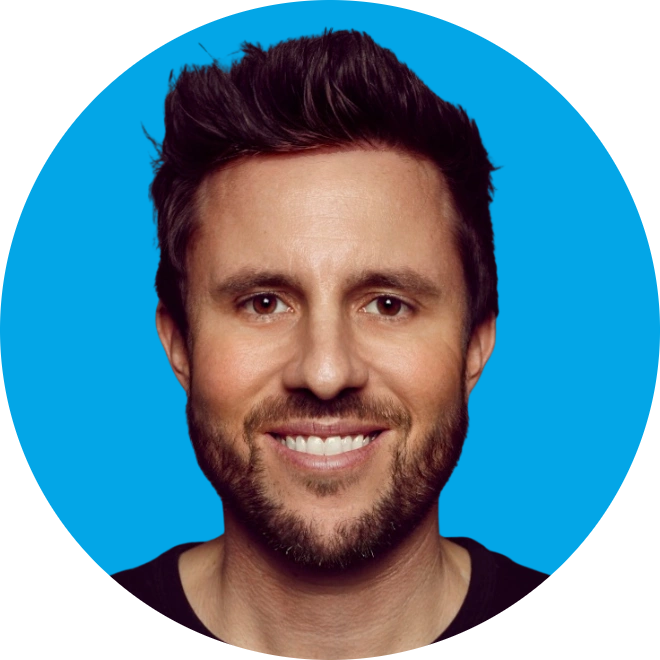
I’m Chris Zelig, Founder & CEO of Medstar Media. I’ve spent over 15 years in the aesthetics and cash-pay medical space, building my career on a lesson my dad taught me early on—keep things simple, fast, and easy. That mindset has become the cornerstone of my marketing approach. I focus on helping small, privately owned providers outperform larger competitors. My first aesthetics client, SKINNEY Medspa, grew from a family-run business into New York City’s #1 medical spa and the world’s leading provider of CoolSculpting and Emsculpt. Since then, I’ve gone on to represent top cosmetic accounts nationwide and create viral campaigns for causes such as early cancer detection.

*By submitting this form, you consent to receive automated marketing calls, texts, and emails from Medstar Media. Consent is not a condition of purchase. Reply ‘STOP’ to opt out.
Share:

SEO or Search Engine Optimization is integral to a robust online marketing campaign. SEO optimizes your website to appear in the “organic results” section of Google’s Search Engine Results Page (SERP). Organic results are different from paid results. Paid results use paid ads to generate traffic to your website.
Many elements go into a successful homepage. However, this article focuses on just one of those elements: content. Also known as “copy,” content refers to anything you communicate to your visitors via words, images, or other forms of multimedia, like videos.
Content is especially important to your digital marketing campaign. Having the right content on your homepage captures the interest of your visitors. Content also helps your website show up on the search engine results page (SERP.)
This article explores what topics to cover on the homepage of your dental website. These topics reflect people's main concerns or questions when searching online for dental-related queries. These topics also include the most searched keywords related to these queries.
“Keywords” or “key phrases” are search terms people type into their search engine (Google or Bing.) Search engines then provide a list of websites that seem most relevant to the user's search term. Search engines scan website content for keywords to determine which website is most relevant. If your content contains the keywords users search with, the search engine may list your website on its results page. Once listed on the first SERP, your website will generate organic traffic (free clicks to your website.)
When someone clicks on your homepage, you have seconds to capture their attention. Therefore, it is important to address people's most common concerns when searching online for a dentist. Address these concerns in your content immediately. Start with the most common concern or question and work your way down.
Remember, people who search for a dentist online may have different concerns than your patients who find you via traditional marketing (i.e., billboards, radio, mail, or personal referral.)
With over ten years in dental marketing, Medstar Media knows what online consumers want most.
Starting with the most common concern and working our way down, these are the top 5 things your online visitors look for once landing on your website's homepage. Also included are the top searched keywords (based on 2022 data) for each topic.
According to Market Watch, the top 5 dental insurance plans in the US are:
If you accept one of these five insurances, list it on your website. Remember, dental insurances vary by locality.
After addressing these five concerns, list some of the common dental services you provide. List each one using a header tag and write a summary of what the service does.
Starting with the terms that get the most search volume:
If you have a specialty, mention it with your other services in your homepage content.
Once you have addressed the top concerns and covered your dental services, add biographical information that sets you apart from the competition.
Being a dentist is hard. You got enough things on your plate. Outsource your digital marketing to Medstar Media. We are pros at advertising for dentists and writing professional, high-converting content.
Schedule a free consultation to learn how you can attract more patients online. Reach out to us by:
I’m Chris Zelig, Founder & CEO of Medstar Media. I’ve spent over 15 years in the aesthetics and cash-pay medical space, building my career on a lesson my dad taught me early on—keep things simple, fast, and easy. That mindset has become the cornerstone of my marketing approach. I focus on helping small, privately owned providers outperform larger competitors. My first aesthetics client, SKINNEY Medspa, grew from a family-run business into New York City’s #1 medical spa and the world’s leading provider of CoolSculpting and Emsculpt. Since then, I’ve gone on to represent top cosmetic accounts nationwide and create viral campaigns for causes such as early cancer detection.
*By submitting this form, you consent to receive automated marketing calls, texts, and emails from Medstar Media. Consent is not a condition of purchase. Reply ‘STOP’ to opt out.

SEO or Search Engine Optimization is integral to a robust online marketing campaign. SEO optimizes your website to appear in the “organic results” section of Google’s Search Engine Results Page (SERP). Organic results are different from paid results. Paid results use paid ads to generate traffic to your website.
They call it organic because organic traffic isn’t bought, unlike paid ads. It is earned. Google awards organic rankings to websites that provide the best experience for its users. Google is incredibly particular in its ranking algorithm for websites that offer medical or wellness treatments.
Medical websites must demonstrate expertise, authority, and trustworthiness (EAT). The best way to do this is with great content. Text and media must:
The more quality content a website has, the more Google sees the website as “trustworthy.”
Paid ads are a great way to become visible online immediately. SEO is more of a long-term strategy. However, ranking organically is especially important for certain businesses. If you are marketing a service that cannot be advertised with paid ads (like PRP or Ketamine treatments) or you’re competing in a saturated market (making paid leads very expensive,) SEO will be your best converting, least expensive, and most enduring marketing channel.
One of the best ways to optimize your website for ranking organically with Google is a blog. A blog is where industry leaders publish educational articles on their websites. These articles, commonly called “blogs” or “posts,” typically refer to 500+ word articles that address more nuanced questions your users may have on a certain service or topic.
While your service page is optimized to rank for the most searched keyword, your blogs are optimized for longer search phrases, also known as long-tail keywords. Long-tail keywords are typically three words or longer.
While long-tail keywords are searched less often, they also have less competition and address the questions of consumers who are further down the sales funnel. Examples of good blog topics include:
KNOW YOUR AUDIENCE: You are a medical professional, and you’ve been trained to write like one. However, to write blog content that converts, you must adapt your writing for your audience.
Your aim is writing at an 8th-grade reading level. Brevity and simplicity can be very challenging and time-consuming. As the famous philosopher Blaise Pascal famously wrote: “I would have written you a shorter letter, but I didn’t have time.
Check the readability of your content here: https://readable.com/
RESEARCH KEYWORDS: Content must be written around keywords. Google's search engine matches a user's search query with content that best addresses the question.
While your service page is optimized to rank for the most searched keyword, your blogs are optimized for longer search phrases, also known as long-tail keywords. Long-tail keywords are typically three words or longer. While long-tail keywords are searched less often, they also have less competition. This makes search phrases easier to rank for than search terms consisting of one to two words.
Do not underestimate the benefit of ranking for long-tail keywords.
For example, in 2021, our client, SKINNEY Medspa, generated nearly 30,000 organic clicks to their website for a single blog I wrote then in 2018 using the key phrase “different laser hair removal systems.”.
For the blog, I wrote them using the key phrase “medspa etiquette on tipping,” SKINNEY Medspa generated 29,000 clicks. I wrote this blog in 2015, and it continues to bring in tens of thousands of website visitors each year.
Another Medstar client, Julia Edelman MD, is a great example of how SEO can work for practices located in smaller markets. In 2021, Dr. Edelman had a fantastic year with unprecedented growth. The biggest source of her leads was organic. Blogs brought in 75% of her traffic. Paid search, in comparison, brought in 16%.

Dr. Edelman’s best ranking blogs:
/Emsculpt-v-CoolSculpting
/Emsculpt-for-diastasis recti
/EmSculpt-neo-cost
Another client, the MedspaMD, received over 14,000 organic visits from the blog we wrote on “how to lose belly fat,” and 11,500 clicks for an article answering the question “how long does CoolSculpting last?
Blogs bring in traffic. Some blogs bring in a lot of traffic. And remember, organic traffic is free. Think about how much it would cost SKINNEY Medspa to generate 30,000 clicks using paid ads for laser hair removal. Think how much it would cost the MedspaMD to generate 14,000 clicks using paid ads for CoolSculpting.
SEO, when done right, generates unparalleled ROI.
But that’s not all. In addition to bringing in more website visitors, SEO helps you interact with your consumers and establish yourself among the competition as an authoritative source and industry expert.
While an integral part of SEO, blogs are not the only thing necessary to optimize your website to rank organically. Other crucial components for good SEO include:
Inbound links come from other websites or online platforms that link to your website. Google sees inbound links as great indicators for authority. If other sites are linking to you, it must mean your website is a trusted authority within the industry.
Websites require good design and development. Good schema and layout will help Google’s search bots discover your website, which helps your rank in organic search results.
A user-friendly design ensures your web pages load quickly and visually appealing to users.
Lastly, local SEO for med spas is quickly becoming a prominent way to become visible online. Local intent makes up nearly 50% of all search inquiries.
Showing up in local search results is the best way to find consumers who live in your area and actively search for your services.
Good Local SEO requires:
Medstar Media offers a comprehensive Medical Spa SEO package that provides your business with the vital components it needs to rank organically, generate free traffic, and convert more leads.
To set your business up with a great SEO strategy, our packages include:
Content Generation: We research industry trends and keyword data to discover the best topics to write about. We then write 2 (500+) word articles and post them to your blog page.
On-Site SEO: Each month, we provide 2 hours of onsite SEO to ensure your website loads quickly and is best optimized to rank in search engines.
Link Building: We help your website generate links by creating press releases and hiring industry influencers to write about your services and link to your website.
Local SEO: We create, optimize, and manage your Google Search Profile. We list you in over 30 directories, claim your listing on Google Maps and optimize your website for local SEO. In addition, we’ll teach you how to generate more positive reviews.
Reporting: We keep a close eye on your SEO campaign using several tools and platforms, including Google Search Console, Google Analytics, Bright Local, SEM Rush, Agency Analytics, and more. Each month, we report on your progress and provide insights into your overall SEO campaign.
I’m Chris Zelig, Founder & CEO of Medstar Media. I’ve spent over 15 years in the aesthetics and cash-pay medical space, building my career on a lesson my dad taught me early on—keep things simple, fast, and easy. That mindset has become the cornerstone of my marketing approach. I focus on helping small, privately owned providers outperform larger competitors. My first aesthetics client, SKINNEY Medspa, grew from a family-run business into New York City’s #1 medical spa and the world’s leading provider of CoolSculpting and Emsculpt. Since then, I’ve gone on to represent top cosmetic accounts nationwide and create viral campaigns for causes such as early cancer detection.
*By submitting this form, you consent to receive automated marketing calls, texts, and emails from Medstar Media. Consent is not a condition of purchase. Reply ‘STOP’ to opt out.

A CoolSculpting FAQ page is a great digital marketing strategy. FAQ pages answer frequently asked questions. If you are a CoolSculpting provider and are marketing your med spa practice online, discover why a CoolSculpting FAQ page is a great asset to your website.
CoolSculpting FAQ pages provide two distinct advantages to your practice. First, your FAQ page provides a great resource for website visitors. Many prospective clients have questions about the CoolSculpting procedure. By providing answers, you inform your readers, distinguish yourself as an authority on the topic, and build consumer confidence.
Secondly, FAQ pages are a wonderful way to improve your online visibility, bulk up your website, and help your med spa's SEO.
The format of FAQ pages makes them ideal sources for Google to draw a featured snippet from. Featured snippets display a brief excerpt from a webpage. Featured snippets provide quick and convenient answers to a user’s query. If users wish to learn more, they click on the featured snippet’s link. That link leads to the source of the information (your FAQ page.)
Google places featured snippets in a few places:
These snippets are often placed at the very top of the search engine results page (SERP), above the ads and organic results. Thus, featured snippets are a terrific way to secure free online visibility.
In addition to having an answer displayed as a featured snippet, the FAQ format makes your content ideal for voice searches. According to the latest stats from Google, voice searches account for 27% of all online searches.

To create a great CoolSculpting FAQ page or an FAQ page for any of your aesthetic services, follow these tips:
Find out what questions people are asking. Start with your own practice. What questions are you commonly asked when someone calls about CoolSculpting, asks during a consultation, or asks while undergoing the treatment?
Once you have your list, expand it by performing some online research. Look at the “people also ask” section for a list of popular long-tail search queries.
As of 2022, the top search queries for CoolSculpting are:
Most featured snippets range between 40 and 50 words (between 270 and 370 characters.) Keep your answers within this length range.
Make your answers straight to the point. Use the inverted pyramid model employed by a journalist. Start by providing the answer first (what the user wants most) and then add supporting details.
You don’t need to answer all your questions at once. Continually bulk up your FAQ page by providing a few new answers every month. This will help your SEO and will eventually give your website a robust FAQ page.
It’s easy to copy and paste content from other websites, but Google won’t reward your site for plagiarized content. In fact, your website may be penalized for taking content from other websites. So, make sure you write your own answers.
Check out this FAQ example to get a feel for writing answers for CoolSculpting’s most frequently asked questions.
CoolSculpting, also known as fat freezing or cryolipolysis, is a non-invasive fat reduction treatment. It eliminates stubborn fat cells that resist diet and exercise by freezing the fat cells to death. People choose CoolSculpting to reduce fat without surgery or a lengthy downtime.
Cool Sculpting is the world’s most popular non-surgical fat reduction treatment. It reduces stubborn bulges by freezing fat cells to death. Studies show that one Cool Sculpting treatment can reduce fat by 25%.
Fat freezing – also known as Cryolipolysis – refers to the body contouring procedure known as CoolSculpting. CoolSculpting literally freezes fat cells to death using precisely controlled cooling. CoolSculpting is the only FDA-cleared treatment that uses cooling to reduce unwanted fat.
Cryolipolysis is a scientifically proven procedure that uses controlled cooling to freeze unwanted fat cells to death. CoolSculpting is the only FDA-cleared body contouring treatment that uses cryolipolysis to reduce unwanted fat.
CoolSculpting prices depend on the area treated and the number of sessions required. A CoolSculpting session typically starts at $600 to $750. However, most patients require more than one session. Larger treatment areas (the abdomen) cost more than smaller treatment areas (the chin.) On average people spend $1,500 to $4,000 on CoolSculpting treatments.
CoolSculpting cost varies per patient. Sessions typically start at $600. Most people need several CoolSculpting sessions for optimal results. On average, people spend $1,500 altogether on the CoolSculpting procedure.
CoolSculpting is scientifically proven to be very long-lasting. Once fat cells are eliminated, they cannot grow back. This results in long-lasting fat reduction results. Patients should maintain healthy lifestyles to avoid gaining weight in regions surrounding the treatment area, obscuring CoolSculpting results.
Yes, CoolSculpting works. It is FDA cleared and scientifically proven to be safe and effective. One study found that a single CoolSculpting treatment can reduce fat by 25% at the treatment site. However, optimal results depend on appropriate patient selection.
CoolSculpting is considered a relatively tolerable treatment. During the first few minutes of the treatment, patients may experience a tugging sensation and a feeling of intense cold at the treatment site. However, the area quickly becomes numb. After the treatment, the technician massages the treated area for two minutes. Some patients find this uncomfortable.
Most patients find the CoolSculpting treatment tolerable. The treatment is cold, but the only thing that will freeze is your fat cells. Some patients complain about the two-minute message that follows a CoolSculpting treatment. Afterward, the treatment area may be tender for the next several days.
CoolSculpting does not hurt, but it is cold. The cold feeling eases once the treatment area becomes numb, which typically takes 5 minutes. After treatment, the area is massaged, which some patients may find uncomfortable as the feeling comes back to the treatment site.
No, you can not freeze your fat at home. DIY CoolSculpting or CoolSculpting at home is dangerous and ineffective. Ice packs cannot reduce belly fat or other fat bulges. Placing ice packs on your skin will not freeze fat bulges, but it can freeze your skin leading to thermal injury.
No, icepacks do not reduce belly fat or any area of fat. DIY fat freezing or CoolSculpting at home is ineffective and can lead to severe injury. The only way to successfully freeze your fat is with a legitimate CoolSculpting treatment from an authorized provider.
Liposuction removes more fat than CoolSculpting, but Liposuction is invasive. It requires surgery, general anesthesia, and a lengthy recovery time. CoolSculpting is non-invasive. It is better for spot-reducing isolated bulges of fat. It is ideal for people who want to reduce fat without surgery or lengthy downtime.
CoolSculpting is not a suitable option for everybody. It is intended for healthy men and women who diet and exercise but still struggle with stubborn bulges of isolated fat. CoolSculpting is not a weight loss treatment or a cure for obesity.
Determine if CoolSculpting is right for you by scheduling a consultation with a CoolSculpting provider. The treatment works best on isolated bulges of pinchable fat. It is intended for healthy adults who struggle with stubborn fat deposits that resist diet and exercise.
People typically begin to see their CoolSculpting results within 8 to 12 weeks after their treatment. Some patients see results even earlier. Fat reduction may continue for up to 6 months following treatment.
CoolSculpting results take several weeks to manifest. Most patients see results within 8 to 12 weeks and continue to see a fat reduction for up to six months following the fat freezing procedure.
Yes, CoolSculpting works on arms. The FDA recently cleared a CoolSculpting applicator specifically designed to reduce upper arm fat, also known as bat wings.
CoolSculpting is not a weight loss treatment. It is a fat reduction treatment. Unlike weight loss treatments that shrink fat cells, CoolSculpting eliminates fat cells via a process known as cryolipolysis. This results in visible reductions in fat.
CoolSculpting is FDA cleared and scientifically proven to be a safe and effective method for reducing fat. Adverse side effects are rare. The best way to ensure your safety is to choose a reputable medical spa with a certified and experienced CoolSculpting provider.
The CoolSculpting machine is calibrated for the optimum temperature for freezing fat cells. The CoolSculpting applicator chills a bulge to 4 degrees Celsius (39 to 41 degrees Fahrenheit) just above freezing.
The CoolSculpting machine exposes bulges to temperatures just above freezing at 4 degrees Celsius (39 to 41 degrees Fahrenheit). This is the optimum temperature for freezing subcutaneous fat cells.
CoolSculpting treatments expose bulges to 39 to 41 degrees Fahrenheit (4 degrees Celsius). This temperature, just above freezing, is the ideal temperature for freezing fat cells. Any colder and the chilling may damage the skin. Any warmer and the temperature will not freeze fat cells.
It depends on your expectations. CoolSculpting is not intended for weight loss or reducing a lot of fat. CoolSculpting is designed to reduce isolated fat bulges, like belly fat or love handles. When patients complete the prescribed treatment plan, satisfaction rates are high.
If you are running a CoolSculpting practice, you may not have time to write your own FAQ page. Fortunately, Medstar Media is a professional SEO company that specializes at writing CoolSculpting marketing content. Reach out to us to learn more. Fill out the contact form below, send us an email, or call us at (801) 890-3847.
I’m Chris Zelig, Founder & CEO of Medstar Media. I’ve spent over 15 years in the aesthetics and cash-pay medical space, building my career on a lesson my dad taught me early on—keep things simple, fast, and easy. That mindset has become the cornerstone of my marketing approach. I focus on helping small, privately owned providers outperform larger competitors. My first aesthetics client, SKINNEY Medspa, grew from a family-run business into New York City’s #1 medical spa and the world’s leading provider of CoolSculpting and Emsculpt. Since then, I’ve gone on to represent top cosmetic accounts nationwide and create viral campaigns for causes such as early cancer detection.
*By submitting this form, you consent to receive automated marketing calls, texts, and emails from Medstar Media. Consent is not a condition of purchase. Reply ‘STOP’ to opt out.




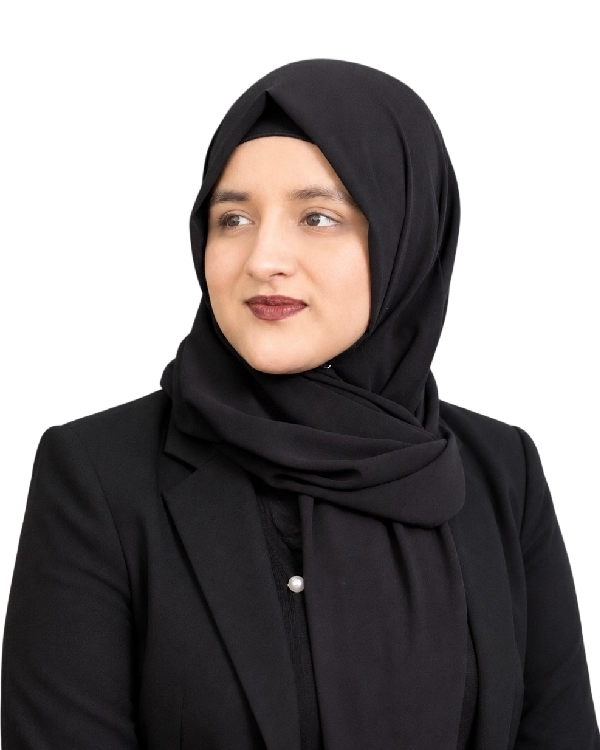
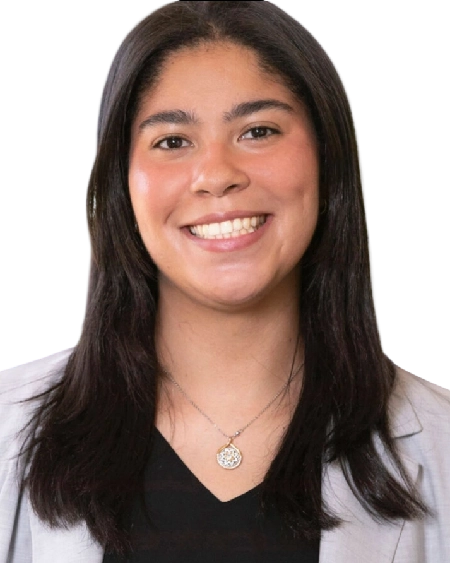

Definitely Adobe After Effects. It’s my absolute go-to for editing video content, especially for social media. With so many options for detailed motion graphics, I really couldn’t live without it.
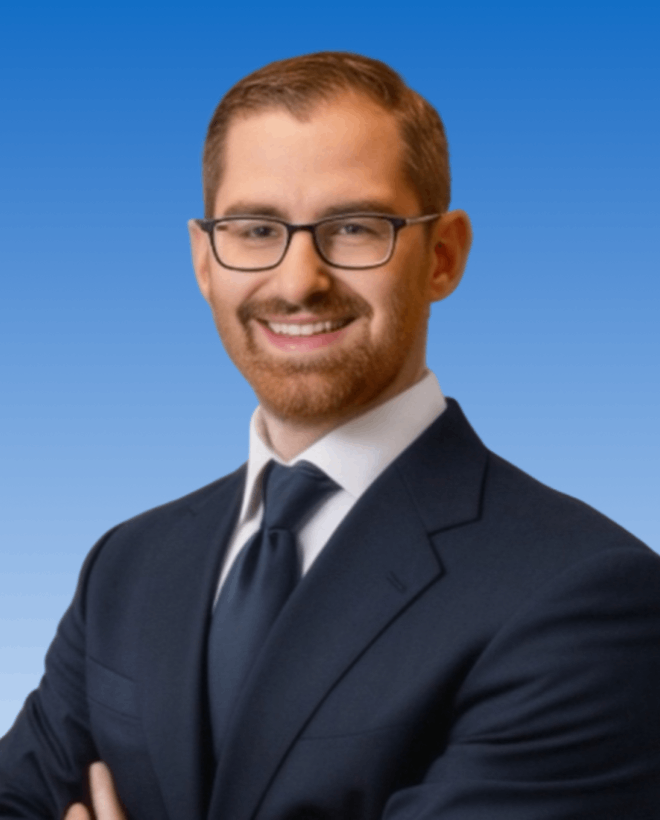

Bre C.
When I’m off the clock, I love spending quality time with my two kids—whether we’re playing or just hanging out, I try to be as present as possible with them. It’s the best way for me to recharge and stay grounded.
My favorite digital marketing tool is Canva because it makes designing quick, easy, and fun, especially with the wide variety of templates available. It’s great for creating polished content efficiently.
One piece of advice I always follow is to keep learning—digital marketing is constantly evolving, so staying curious and adaptable really makes a difference. It helps you stay ahead and bring fresh ideas to the table.
When I feel stuck, I like to step away and go for a walk to get some fresh air; it helps me reset and come back with a clearer, more creative mindset. Even a short break can make a big difference.
I also bring a graphic design background to the team, which helps me review mockups with a trained eye and offer thoughtful, practical feedback to clients. It allows me to bridge both strategy and visual execution effectively.